
Posts by Jerry Sheehan
Traceroute Guide: Unveil Your Network Path

Did you know a single web request can travel across more than a dozen hops before it reaches your screen? This makes traceroute very valuable. It shows each step along the way, helping to find sources of latency or failure. The traceroute command, typed as tracert on Windows, is key. It traces route paths and…
Read MoreARP Protocol: Unveiling Network Identification
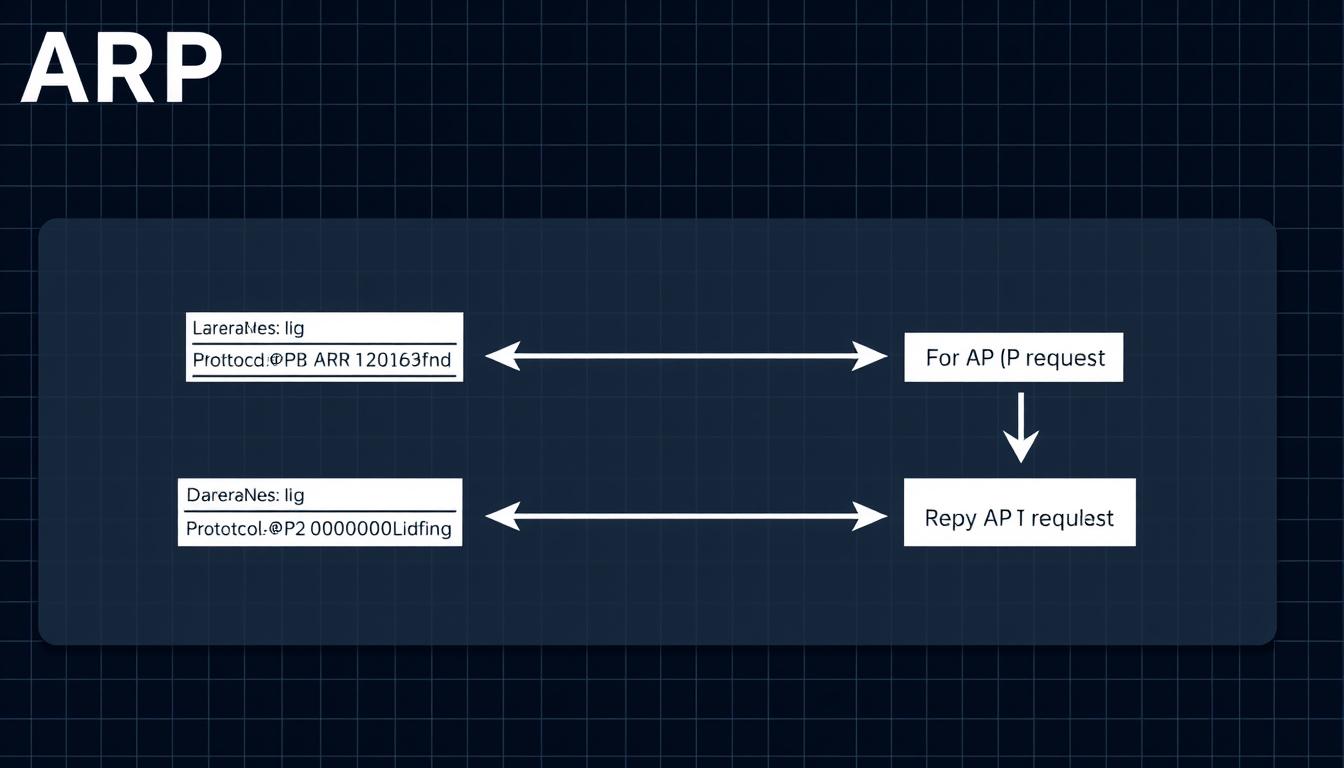
ARP does a lot every day in home and business networks. Fortinet says ARP links a changing IP address to a fixed MAC address. This makes it easy for devices to talk to each other on IPv4 networks. The term ARP stands for Address Resolution Protocol. Many ask what is arp or seek arp meaning.…
Read MoreUltimate Guide to Router on a Stick Configuration
Many mid-sized networks use a router on a stick setup to save money. This method groups multiple VLANs under one link. It saves time and unifies traffic flow. A router on a stick uses one interface for different subnets. Each VLAN is tagged for easy identification. This keeps data separate. It makes network design simpler…
Read MoreUnderstanding Broadcast Domains Simplified

Many people ask, “What is a broadcast domain?” It’s a group of devices that get every broadcast frame in a shared segment. These frames have the MAC address FF:FF:FF:FF:FF:FF. Switches send them to all ports except the one they came from. Understanding broadcast domains is important for network flow. Routers, switches, and VLANs manage this.…
Read MoreUnderstanding eBGP Multihop Configuration
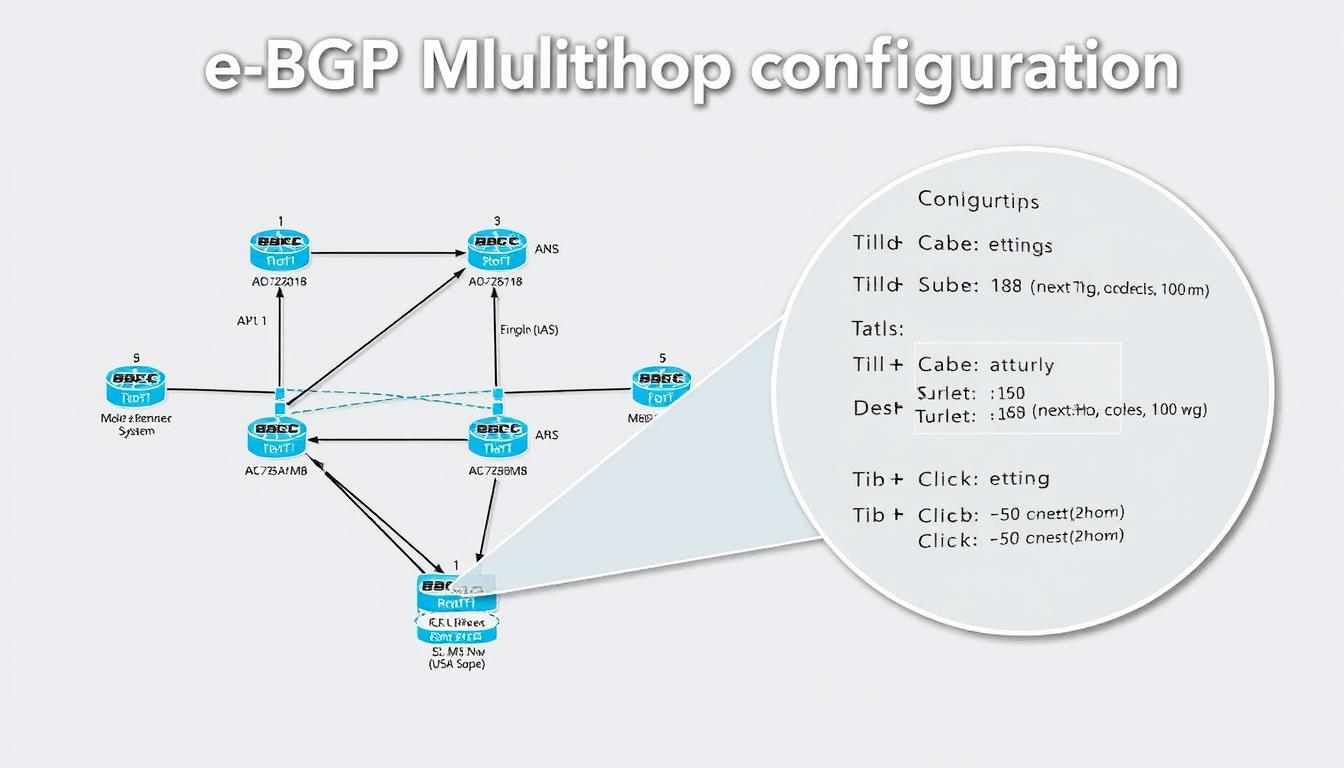
Many enterprise networks rely on extended BGP connections for reliable traffic flow. This shows how important ebgp multihop is in linking distant nodes. Network architects use these connections to handle large infrastructures and keep data flowing. What Is eBGP Multihop? Expanding external routing boundaries needs features for longer paths. bgp multihop is great for routers…
Read MoreEIGRP Configuration Guide for Streamlined Networks
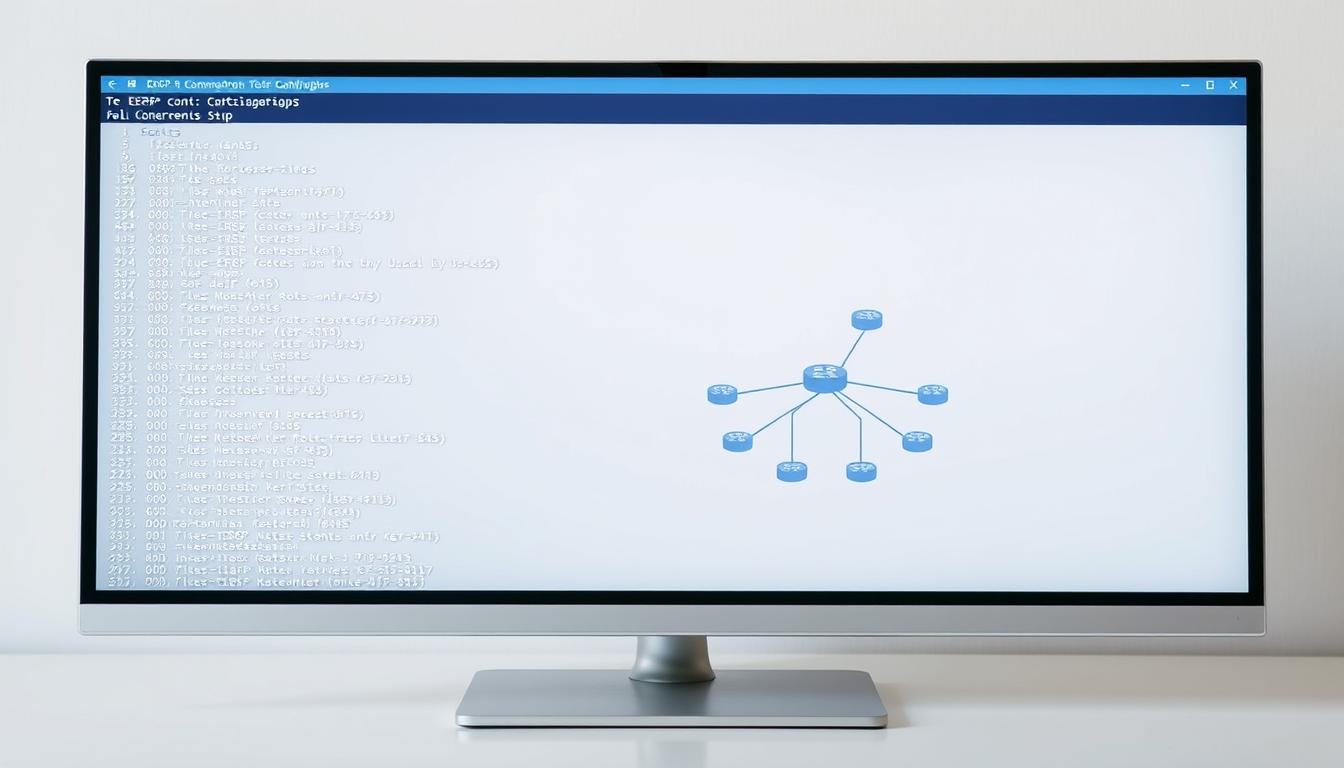
Did you know EIGRP can quickly update routes during network changes? This speed ensures data keeps moving smoothly, even in big environments. According to the , Cisco calls EIGRP an improved version of IGRP. It uses distance vector routing for fast convergence. It also supports loop-free operations, making it key in eigrp configuration strategies. EIGRP…
Read MoreUnderstanding the Nagle Algorithm Simplified

Some networks lose up to 40% of their bandwidth from sending tiny data packets. This shows how small messages can waste a lot of resources. The nagle algorithm solves this by combining short data bursts into bigger packets. It helps save bandwidth and keeps networks running well. John Nagle came up with this idea to…
Read MoreUnderstanding “What Is LLDP” in Networking
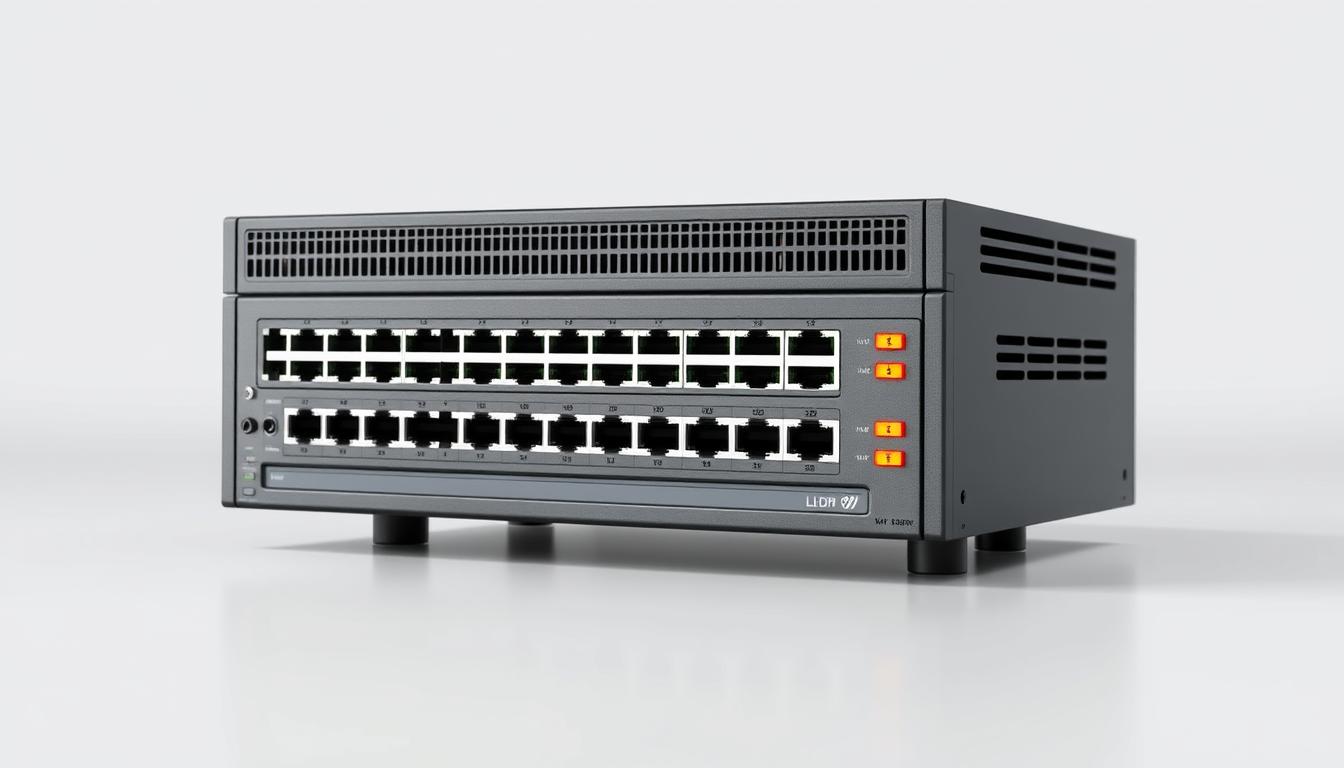
Over 10 billion connected devices buzz with data across the country. This need for smooth communication makes strong protocols key. That’s where LLDP comes in, helping devices stay connected and organized. So, what is LLDP in networking? It’s a solution that lets routers, switches, and more share important info like IP addresses and port details.…
Read MorePPPoE vs DHCP: What’s the Difference?
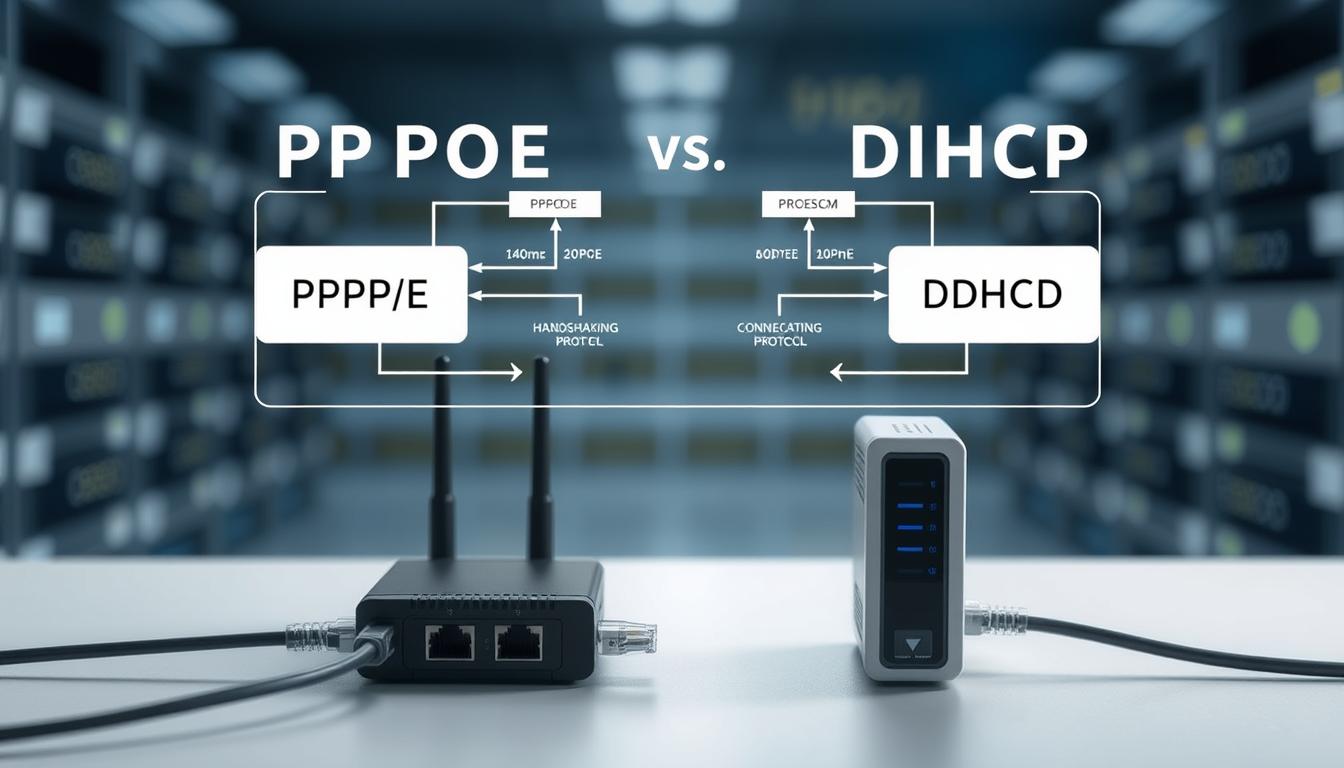
Did you know almost half of the world’s broadband uses PPPoE or DHCP for internet access? This fact might explain why many are curious about the difference between PPPoE and DHCP. They want a reliable and easy way to connect online. PPPoE requires a login for each session to verify your connection. On the other…
Read MoreAdjusting Storm Control Broadcast Level Settings

Experts say a broadcast storm can halve network performance in minutes. This is why setting the storm control broadcast level is key. Storm control is usually off by default on routers. It has rising and falling limits to stop or start traffic flow. This helps prevent sudden floods that can harm your local network. By…
Read More