
Posts by Jerry Sheehan
Understanding VTP Mode Transparent Basics

Did you know that nearly 70% of data center downtime comes from bad VLAN setups? This highlights the need for a precise VLAN approach to protect critical network traffic. In big Cisco setups, knowing what is cisco vtp is essential for smooth operations. A switch in vtp mode transparent keeps its VLAN info to itself…
Read MoreLink Aggregation Explained for Robust Networks
Experts say we create over 3.5 quintillion bytes of data every day. This shows how much pressure our networks face. Link aggregation is a solution that combines multiple Ethernet connections into one. This makes networks faster and more reliable. With link aggregation, data moves on several lines at once. If one line goes down, the…
Read MoreNAT vs PAT: Unpacking Network Address Translation
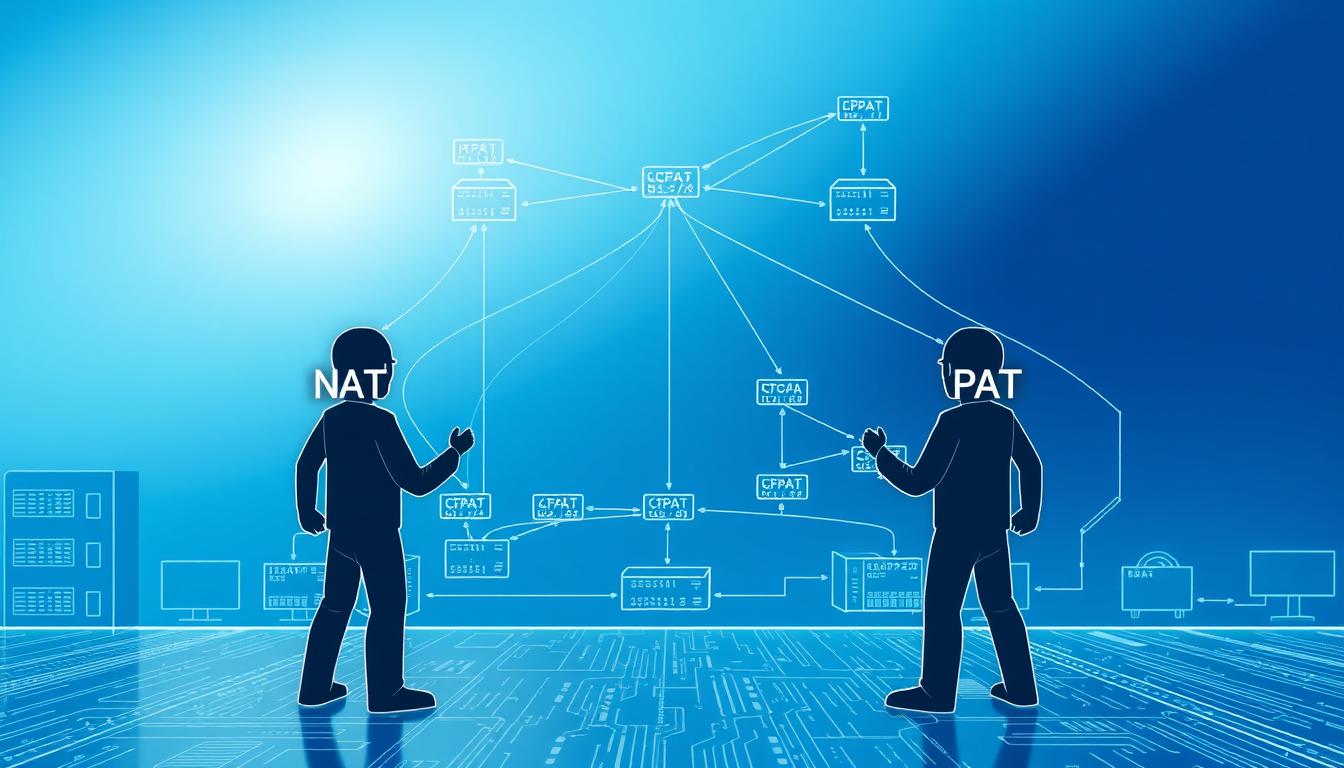
Experts say IPv4 addresses might run out sooner than expected. This is where NAT vs PAT can help a lot for connected networks. NAT and PAT stand for Network Address Translation and Port Address Translation. Nat pat lets many private IPs share one public IP. But, pat vs nat can confuse new learners. Some ask,…
Read MoreTCP Congestion Control: Improve Network Efficiency (A Guide to Congestion Control in TCP)

Did you know over 80% of global online traffic uses TCP? It ensures content is delivered smoothly, like when you stream shows on Netflix. Without it, your online experience could be very different. TCP congestion control prevents data overload by adjusting a window. This keeps data flowing smoothly, even when servers are busy. It’s key…
Read MoreH.323 vs SIP: Unveiling VoIP Protocol Differences
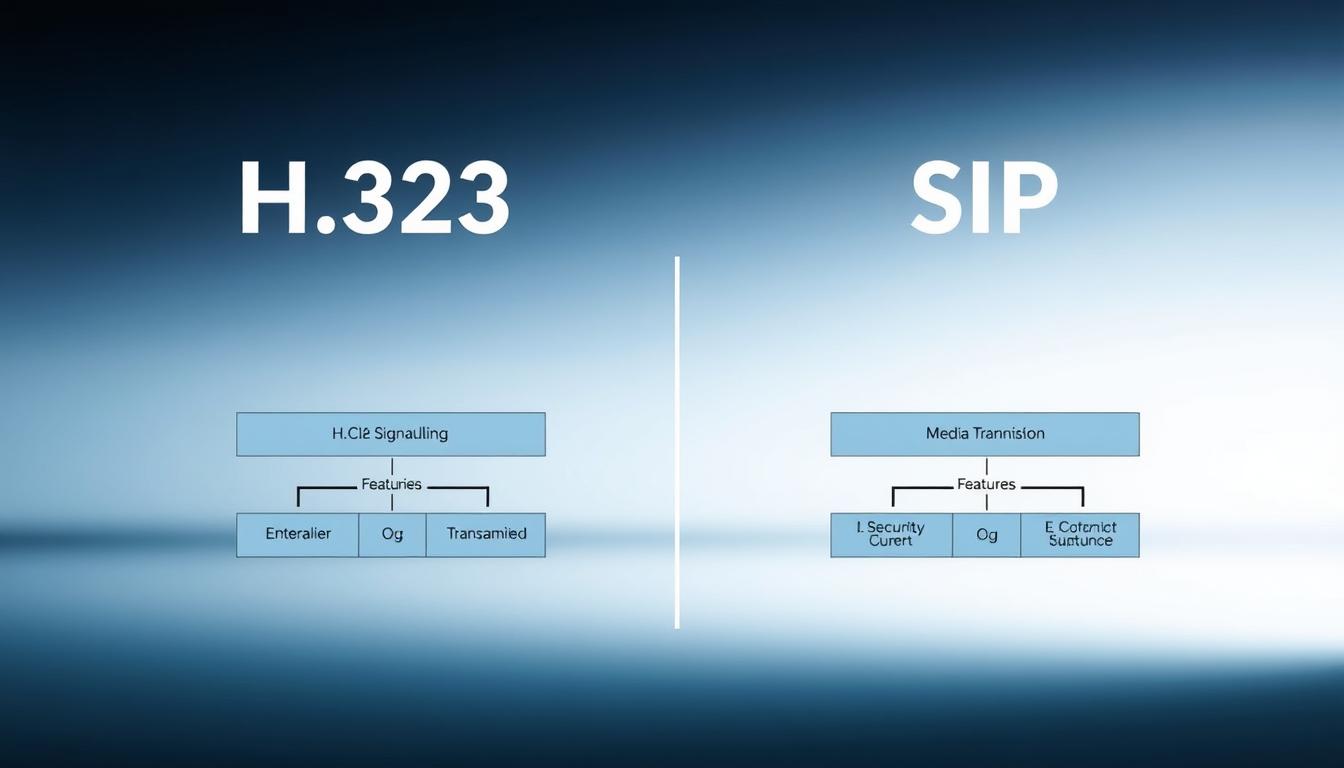
Did you know over half of global enterprises use Internet-based voice calling for daily work? This shows how IP protocols like H.323 and SIP are changing our communication. H.323 vs SIP highlights the move from old standards to new online systems. H.323 started in the mid-1990s through the ITU-T. SIP began under IETF rules. Both…
Read MoreUnderstanding MPLS BGP: Seamless Networking

Did you know that nearly 60% of major carriers across the globe depend on mpls bgp to flow massive volumes of data every day? This approach blends service and transport planes into one streamlined environment. It spans both large-scale backbones and smaller setups. bgp mpls links each network segment with an end-to-end label-switched path. It…
Read MoreUnderstanding Spanning-Tree Mode PVST Basics
Did you know one loop can stop a LAN unless it has a stable spanning tree? This shows why spanning-tree mode pvst is key in today’s networks. Spanning tree mode pvst uses a separate Spanning Tree for each VLAN. This adds control and balances traffic better than older modes. It also cuts down on broadcast…
Read MoreMastering the Passive Interface Command in Networking

Did you know many enterprise networks have hundreds of router interfaces? They need careful control over routing updates. The passive interface command is key in managing this. The passive interface command stops outgoing routing updates on specific interfaces. It keeps networks safe from unwanted neighbors. A Cisco reference shows it can improve performance by filtering…
Read MoreScale Out vs Scale Up: Key Differences Explained
By 2025, we might see over 180 zettabytes of data created worldwide. This shows a huge need for systems that can handle the load. Many companies wonder how scale out vs scale up can keep their apps running smoothly. Both methods aim to meet growing needs in computing, storage, and networking. Choosing between scale up…
Read MoreSubnetting vs Supernetting: Key Differences Explained
Nearly 80% of data center managers say good IP organization stops costly outages. This shows how important subnetting vs supernetting is for stable networks today. Subnetting divides big ranges into smaller parts. Supernetting combines many networks into one big pool. Both make routing easier and improve efficiency. This guide explains how each works and helps…
Read More