
Network & Infrastructure
How to Configure Proxy Settings Quickly & Easily: A Friendly Guide
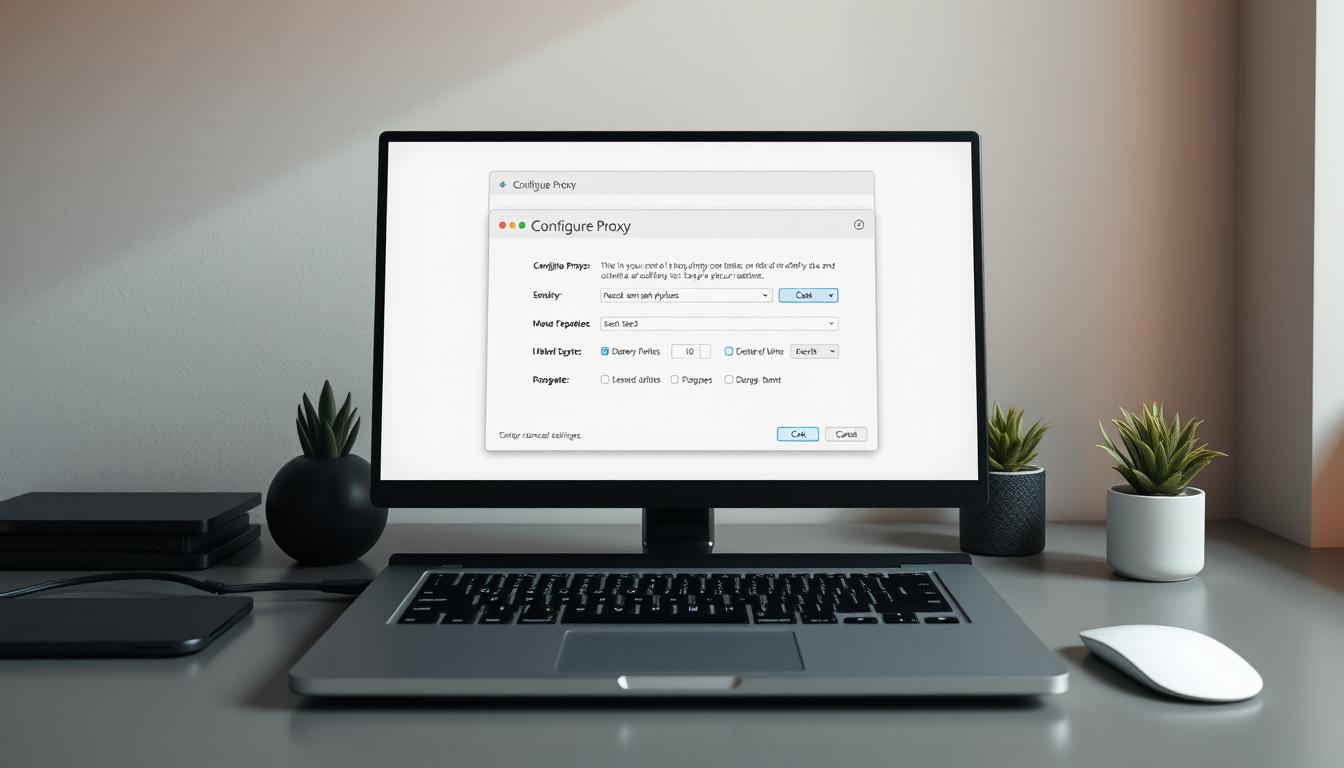
Did you know over one-third of internet users use a proxy for privacy or to access blocked sites? This shows why understanding configure proxy is important for everyday browsing. A proxy server acts as a middleman between your device and the internet. It protects your IP address and helps control security. Many ask what is…
Read MoreUnderstanding What is PAN (Personal Area Network) – Key Facts Unveiled

Did you know over four billion devices use short-range connections every day? This is the core of a personal area network (pan). It connects gadgets within about 10 meters. Many people ask, “What is pan?” or “What does pan mean in computer terms?” The term pan refers to a simple network setup. It keeps smartphones,…
Read MoreUnderstanding Mesh Topology in Networking
Did you know five connected nodes in a mesh network already need 10 links? This formula, N(N-1)/2, shows how connections grow fast when more devices join. It hints at the robust nature of mesh topology. Mesh topology lets every node create multiple routes for data. This makes connections resilient and reliable. It keeps information flowing,…
Read MoreHybrid Topology: Best of Network Structures

Did you know combining star, mesh, or other layouts can boost network reliability by nearly 60%? This method, called hybrid topology, merges key features. It aims to minimize downtime and keep data flowing. Many large organizations switch to hybrid topology for its flexibility and fault tolerance. This hybrid topology definition explains how different designs work together…
Read MoreStar Topology Explained: Network Layout Essentials
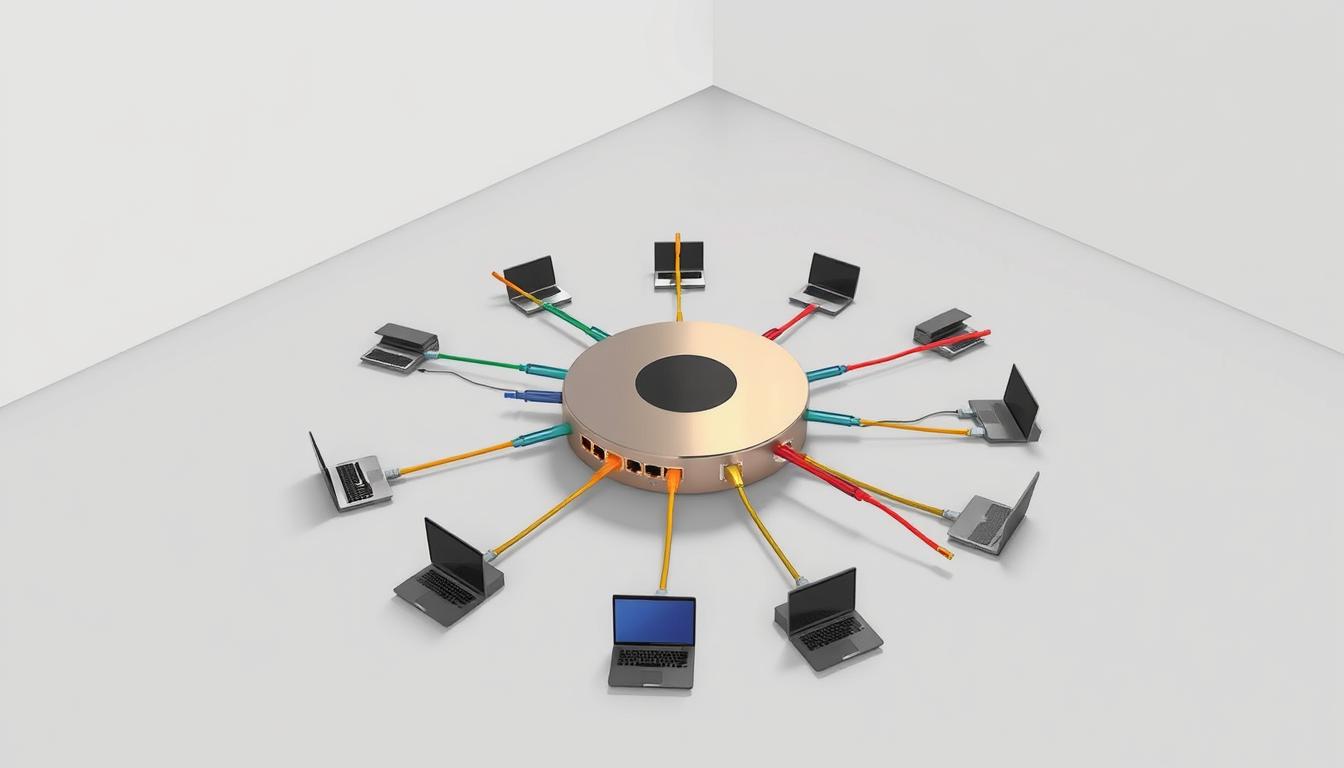
Star topology is a top choice for networks today. It’s simple and flexible. Each node connects to a central hub, making data flow smoothly. This setup is also known as star topography. It’s great because one failing device usually doesn’t stop others. In computer networks, it offers reliable performance. We’ll look at its key parts,…
Read MoreHybrid Network Solutions for Modern Connectivity

More than 60% of big companies want to improve their network to handle more data and changing work needs. On July 6, 2023, a whitepaper showed how a hybrid network can link on-site and cloud settings easily and with control. This mix of virtual private networks, broadband, satellite, and cellular routes makes networks more reliable.…
Read MoreUnderstanding Client vs Server Differences

Did you know one server can handle requests from hundreds of devices at once? This shows how client vs server works for tasks like email and web browsing. The client sends requests, and the server handles the data. This setup is key in today’s tech world. It makes it easy for us to use services…
Read MoreUnderstanding Routing Protocols: Key Insights

Routing protocols are key to keeping data moving across networks. They choose the best path for each packet, using static or dynamic routing. In the early 1980s, distance vector protocols started. Then, in the 1990s, link-state protocols came along, making things faster and more flexible. These protocols manage traffic like traffic cops, finding new routes…
Read MoreClient Server Network: Key Advantages Explained

Did you know one server can handle over 10,000 connections at once? This shows how a client server network can serve many users well. A central server manages tasks for many client machines. It can cut down on admin work by nearly 30% and boost security with the right protocols. Check out this resource to…
Read MoreExploring Types of Routing in Networking
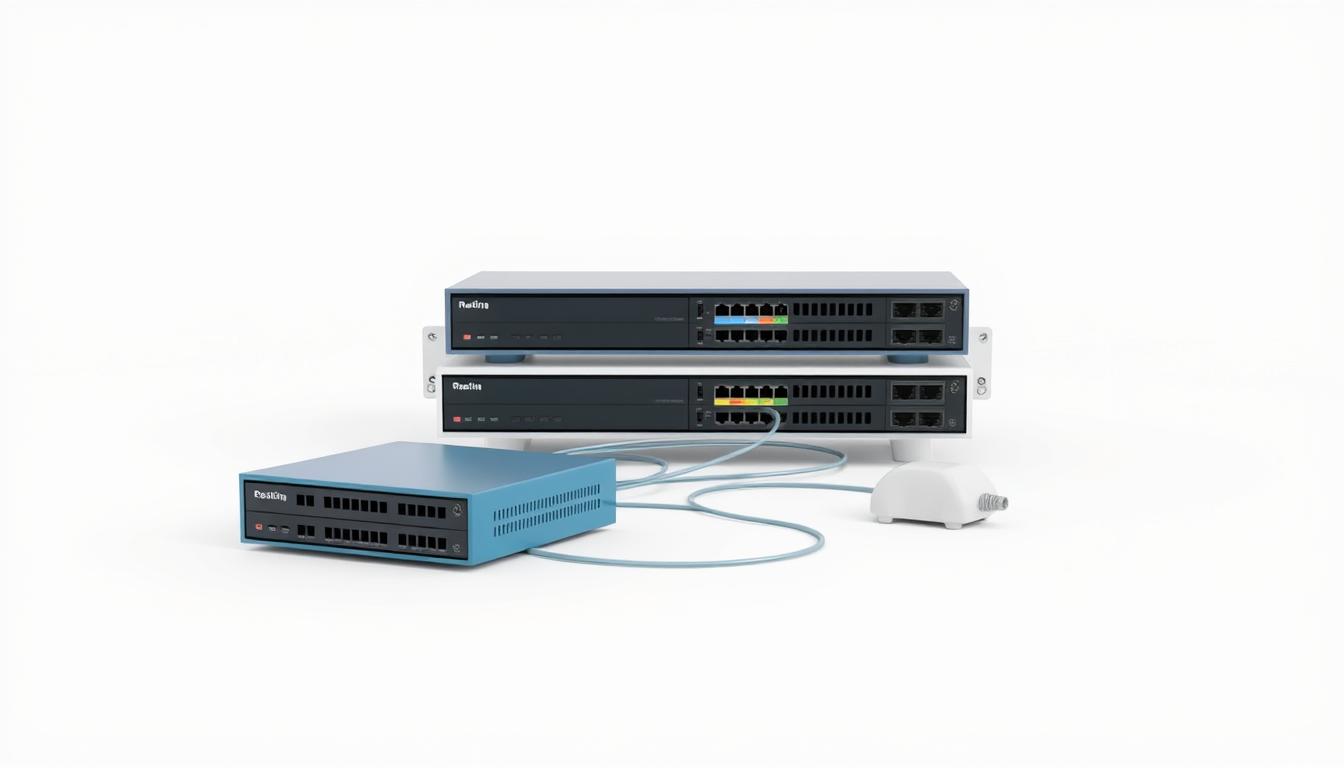
Many are surprised that the Internet manages millions of data exchanges each second. Routing happens at layer 3 and directs packets across vast networks with amazing efficiency. This process underpins all types of routing that keep communication flowing. In this article, we look at routing types and see why they matter for reliable data delivery.…
Read More