
Network & Infrastructure
Multilayer Switch Guide: Enhance Your Network
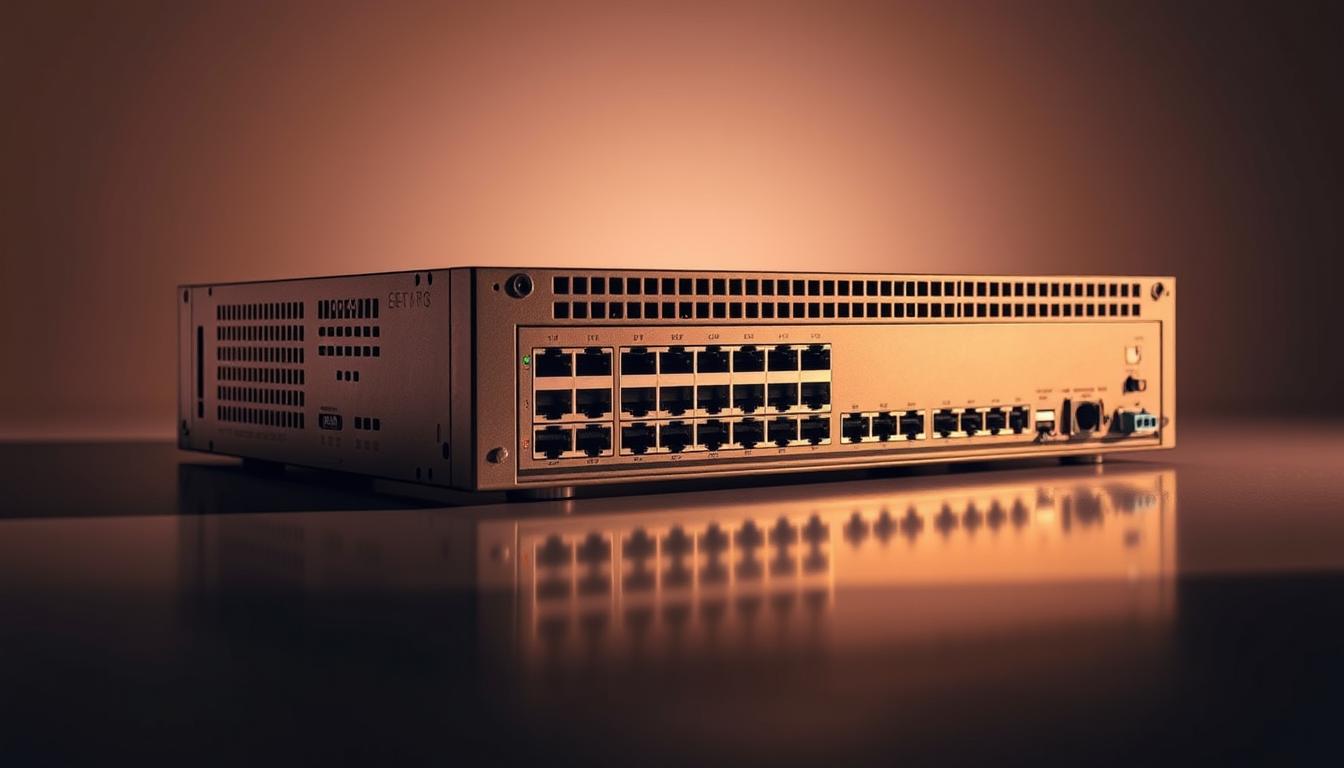
Recently, a study showed that almost half of global companies use advanced switches for their data needs. This shows how important a multilayer switch is for keeping up with data demands. A multilayer switch does two jobs in one: routing and switching. It uses IP and MAC details to sort information. This makes it clear…
Read MoreOptimize Data Centers with Top of Rack Switches
Did you know that major data centers handle billions of bytes every second? This constant flow demands a new way to connect and improve infrastructure. Putting switches near servers reduces cable mess. It also improves airflow by keeping paths open. Many use top-of-rack switching for a simpler setup. This makes data centers run better and…
Read MoreUnderstanding What Does DHCP Stand For Explained.
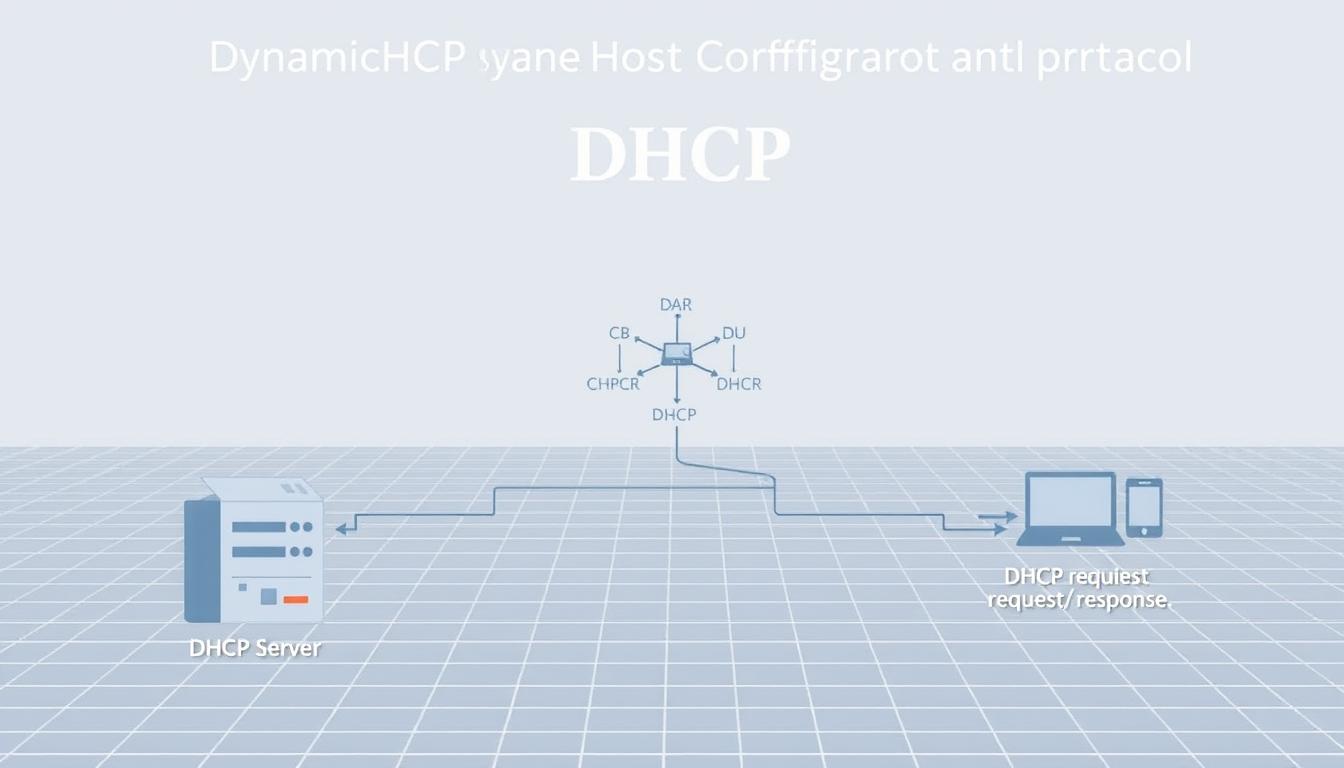
More than 80% of business networks use a system that gives out IP addresses automatically. This system works so well that many people don’t even notice it. It makes getting online quick and easy. DHCP stands for Dynamic Host Configuration Protocol. It makes sure devices can connect without needing manual setup. This essential protocol is…
Read MoreUnderstanding What Is BOOTP – Quick Guide
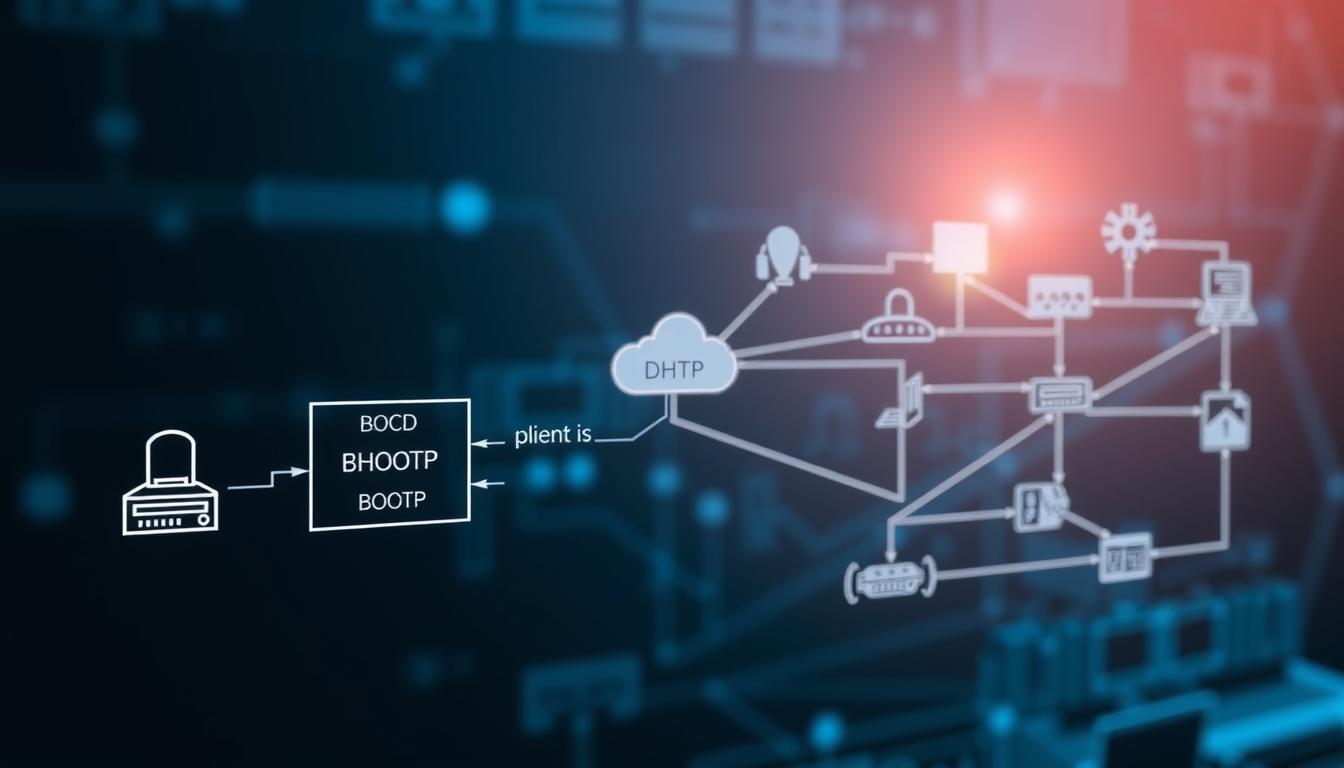
Did you know that nearly 60% of early networks used manual IP addresses before BOOTP? This shows how big of a change it was. BOOTP let devices set up their own network details at startup. This guide will answer what does bootp mean. BOOTP, short for Bootstrap Protocol, replaced RARP. It let systems broadcast for…
Read MoreGLBP vs HSRP: The Ultimate Router Comparison

Network downtime can cost big companies thousands of dollars every minute. This makes it very important to have protocols that keep traffic flowing without stops. GLBP and HSRP help keep systems running 24/7, saving money and reducing risks. HSRP focuses on quick failover measures. On the other hand, Cisco GLBP balances loads across many gateways.…
Read MoreUnderstanding IGMP Protocol Essentials
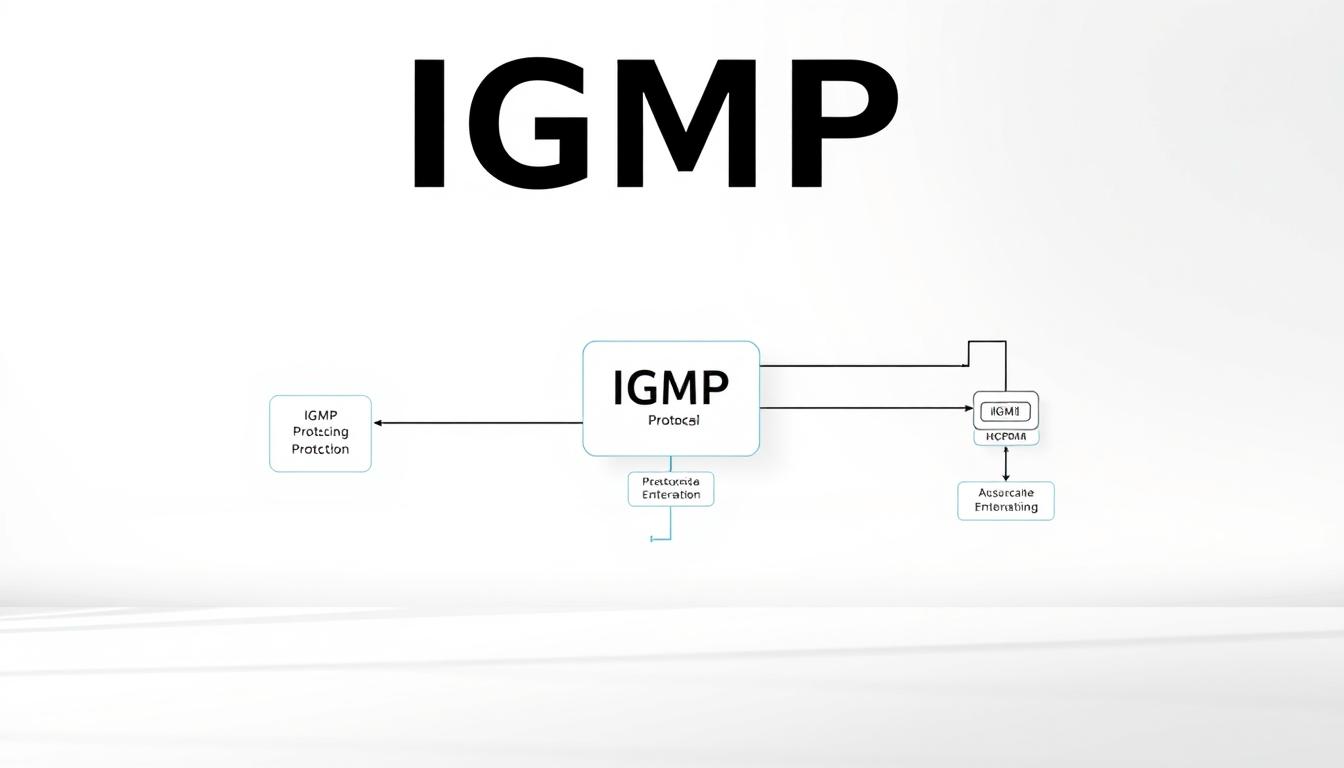
Studies show that over half of all multicast traffic in businesses relies on the IGMP protocol. This shows how important group communications are in today’s data transfer. The IGMP meaning is more than just membership requests. It helps networks manage who gets information at any time. When people ask, “what is igmp,” they find out…
Read MoreUnderstanding Multicast vs Unicast Differences

Did you know over 70% of internet data travels through unicast channels daily? This method involves one sender and one receiver. It answers the question, “What is unicast in networking?” Yet, many online services use multicast to reach multiple receivers at once. Imagine going to the mall alone: that’s unicast. But, if you bring 20…
Read MoreUnlock Speed with Ethernet Port Aggregation Guide
Did you know that fixed broadband speeds in the United States now average over 150 Mbps? Many connections stall because of single-port limits. This leaves users stuck in the slow lane. That’s where ethernet port aggregation comes in. It combines multiple ports into one link to boost speed and cut downtime. It’s also known as…
Read MoreUnlock Fast Networking with Spanning-Tree PortFast
Did you know skipping the usual listening and learning phases can save seconds? Cisco documents show that interfaces with spanning-tree portfast can go straight to forwarding. This speeds up host access and reduces downtime. This introduction looks at what spanning tree portfast is and how it boosts connectivity. It’s made for ports connected to end…
Read MoreUnderstanding the TCP PSH Flag in Networking

Over 160 million Americans rely on fast data transfers every day. This shows how critical it is to have reliable protocols for quick content delivery. The tcp psh flag is key in reducing downtime and improving performance. It tells network devices to send data right away. This can cut down on delays in important moments.…
Read More