
Network & Infrastructure
Solving BGP Flapping Issues: Quick Guide

Did you know that almost half of all global routing problems come from unstable route ads? This issue, known as bgp flapping, can cause big problems for networks. It makes online services slow down because routes keep changing. BGP, or Border Gateway Protocol, is key to how the internet routes data. When BGP sessions flap,…
Read MoreUnderstanding What Is MPLS: A Quick Guide
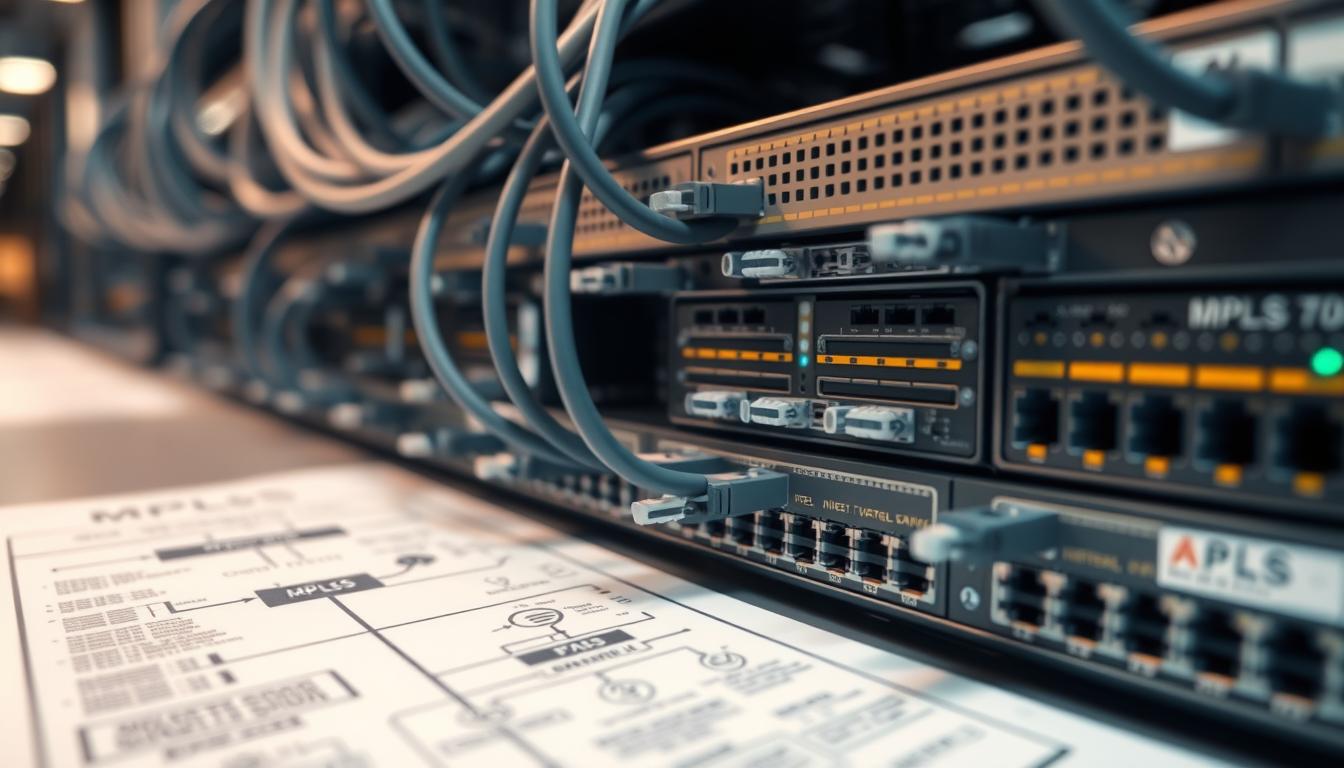
Did you know over half of large enterprises in the United States use MPLS? It keeps data moving fast. Yet, many new users don’t know about it. Multiprotocol Label Switching (MPLS) is between Layer 2 and Layer 3. It combines their benefits, earning it the nickname Layer 2.5. MPLS uses labels to quickly route data…
Read MoreSD-Access vs SD-WAN: Key Differences Explained

More than 70% of big companies in the U.S. use software-defined architecture for their networks. This trend makes people curious about the differences between sd access and sd wan. SD-Access makes campus networks simpler with a central control plane. It uses LISP for control and VXLAN for secure data. This setup helps keep networks organized.…
Read MoreUnderstanding TCP Keep Alive

Studies show that nearly 30% of network failures go unnoticed when no data flows. This unseen gap can cause lost connections in important systems. Networks need steady sessions to keep data flowing. tcp keep alive and tcp keepalive send small probes to check if a path is open. They prevent confusion and alert the system…
Read MoreUnderstanding Floating Static Routes Features: A Closer Look at the Floating Static Route

Almost 70% of network problems can be prevented with a backup plan. That’s where a floating static route comes in. It keeps a secondary route ready to go if the main one fails. This way, operations can keep running even when the primary connection is down. This backup method stays hidden unless the main link…
Read MoreUnlocking MPLS: What Does It Stand For?
Major American companies rely on MPLS for fast data travel. This shows how important traffic management is in big networks. When people ask, “What does MPLS stand for?”, the answer is Multi-Protocol Label Switching. This system labels each data packet, helping it find the best route. It’s a key part of how data moves quickly…
Read MoreUnderstanding PE Routers in Modern Networks: A Close Look at the pe router

More than half of large-scale networks use a pe router for MPLS frameworks. This shows how pe routers protect traffic and boost performance. Industry leaders see pe routers as essential for connecting service provider systems with external networks. A solution from experts enhances data flow control, QoS, and security. Many businesses rely on pe routers…
Read MoreLink State vs Distance Vector: Routing Explained
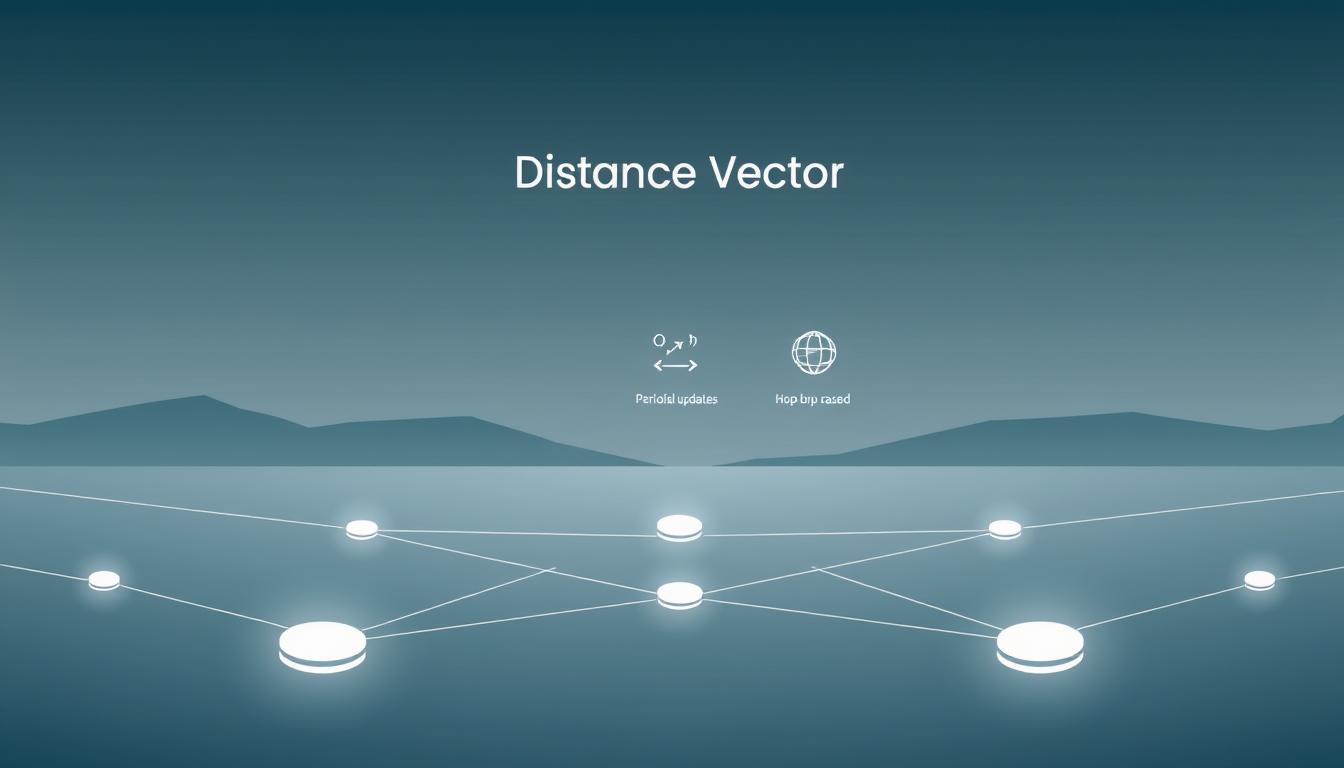
Did you know that nearly half of network downtime in big companies is due to bad routing setups? It’s really important to get how link state and distance vector work. They both affect how fast the network gets back to normal and how much resources it uses. Distance vector uses info shared between nearby routers.…
Read MoreExploring WSA: Unveiling the Tech Behind It – What Is WSA

More than 40% of businesses face web threats daily, leading to big losses. This fact makes many leaders curious about what is a wsa. They want to know how it keeps their networks safe from harmful content. A Web Security Appliance checks every click and keeps users safe from online dangers. It acts as a…
Read MoreMaximize Your Network with Next Hop Self Configuration

More than 35% of routing problems come from not understanding the next hop attribute in Border Gateway Protocol. This shows how important next hop self is for keeping traffic flowing smoothly in any organization. Using next hop self, admins can organize routes better. This makes communication between different parts of the network clearer. Understanding the…
Read More